
Best Time to Visit Kyrgyzstan
A season-by-season guide to Kyrgyzstan: summer jailoo and trekking, quiet shoulder months, winter skiing, and when high passes, yurt camps and Issyk-Köl are open.
Kyrgyzstan is a country of altitude, and altitude means timing matters. The difference between a dream trip and a frustrating one often comes down to whether the passes are open and the yurt camps are running. We've travelled here across the seasons, and here's how we'd help a friend choose their dates.
The Short Answer
For most travellers — trekkers, yurt-stayers, road-trippers — the sweet spot is late June to early September. That's when the high mountains shrug off their snow, herders move up to the summer pastures, and the whole country feels alive outdoors. If you can only go once, go then.
Summer (June–September): Jailoo and Trekking
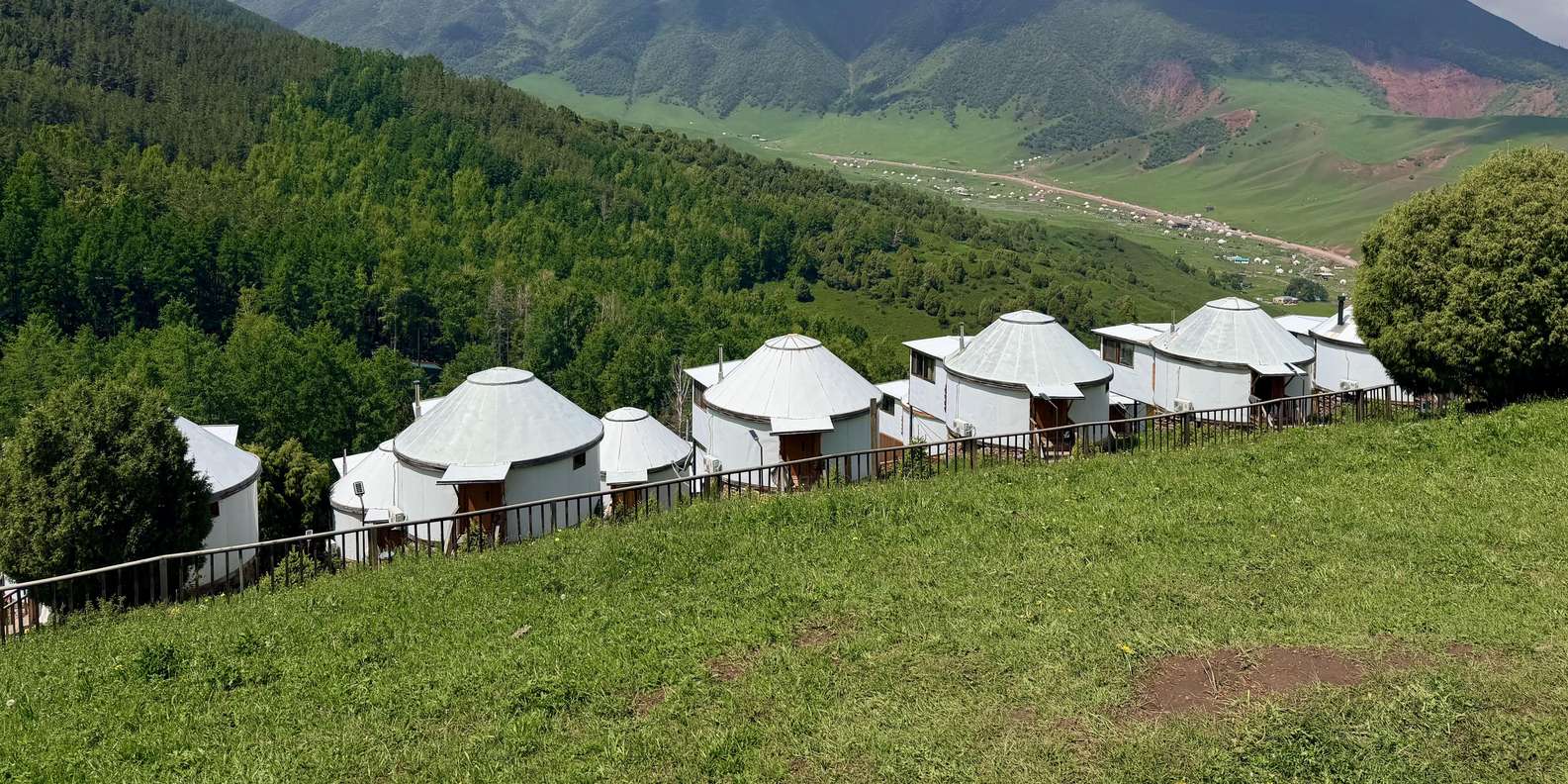
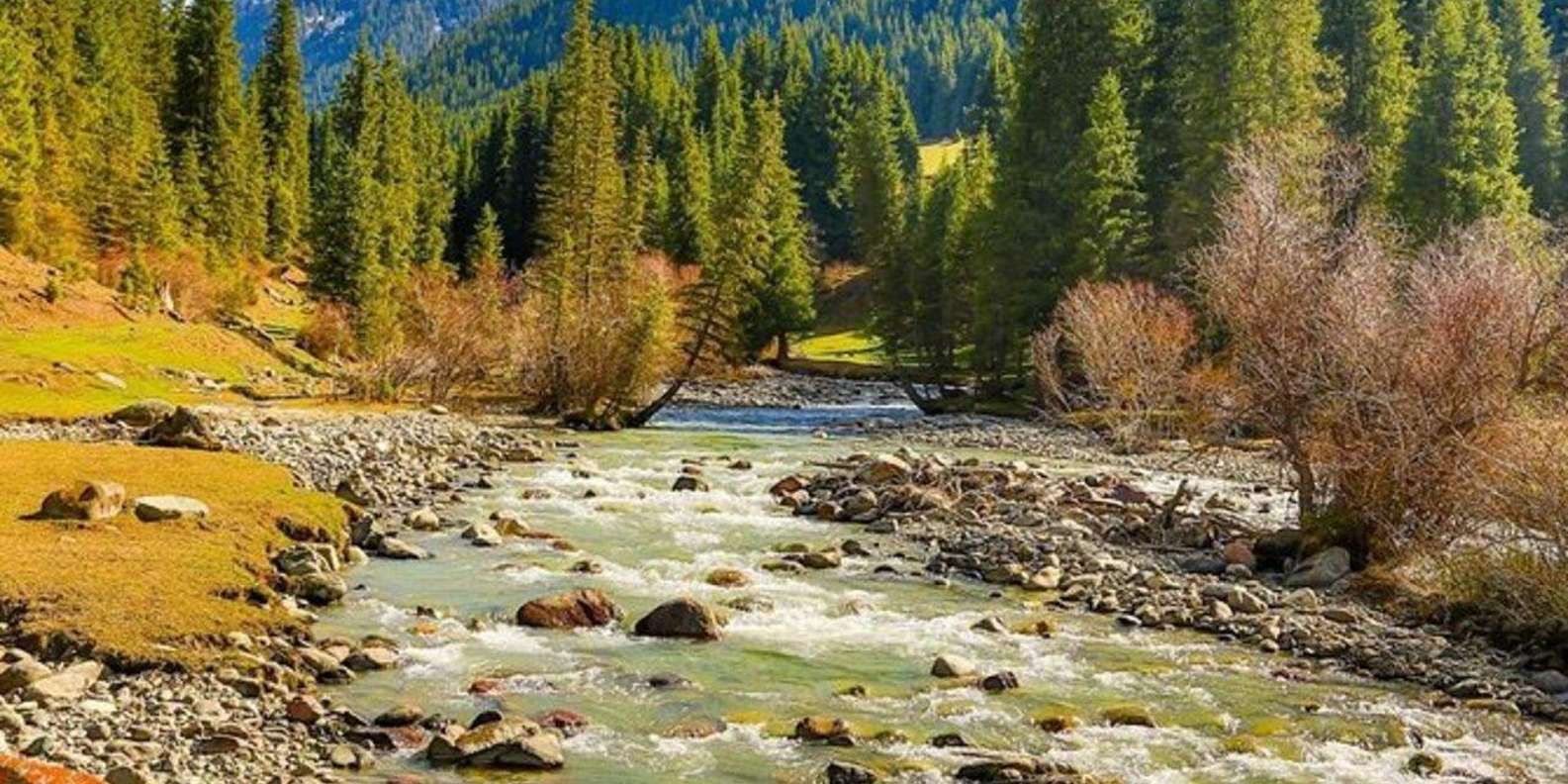
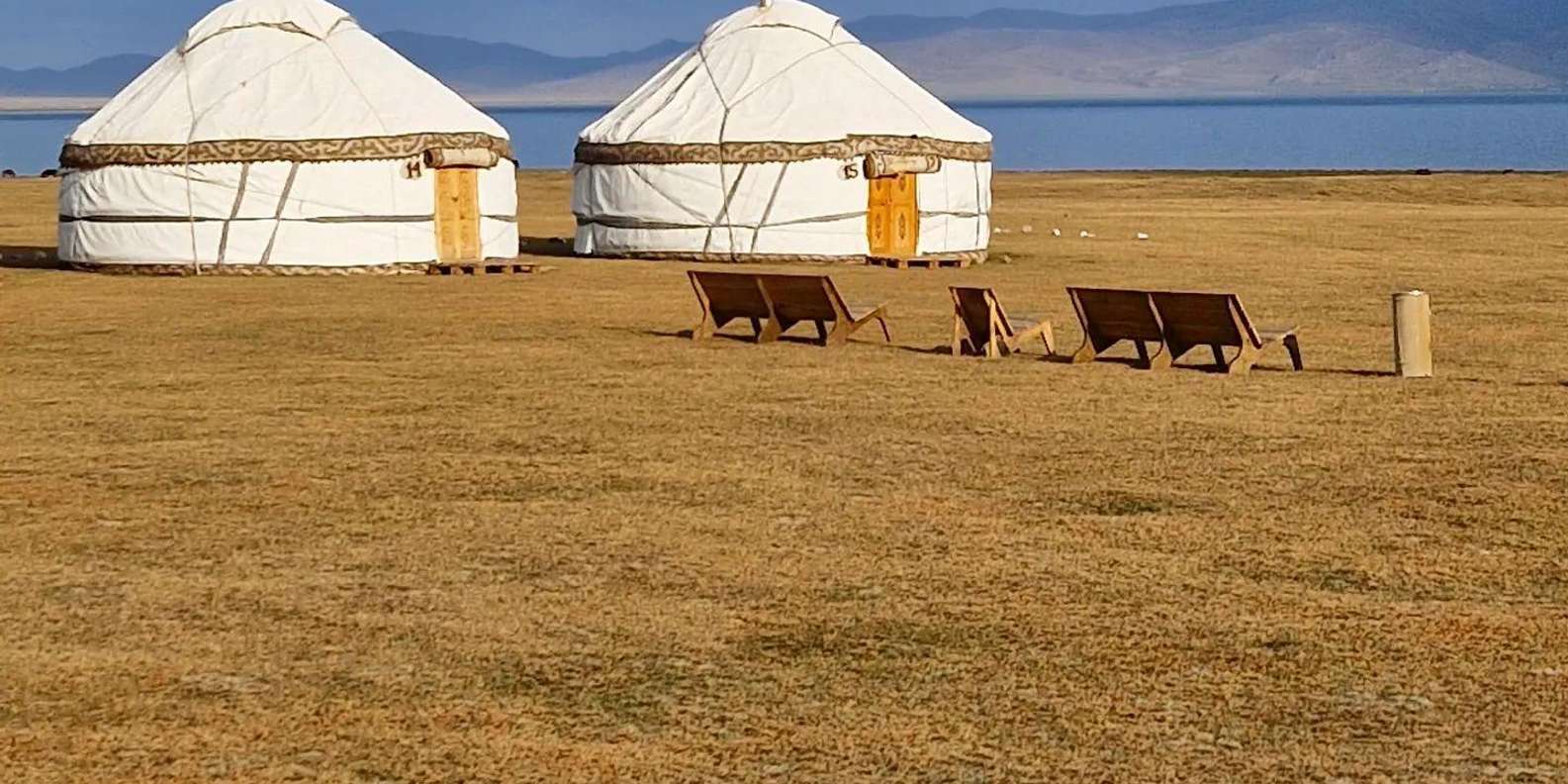
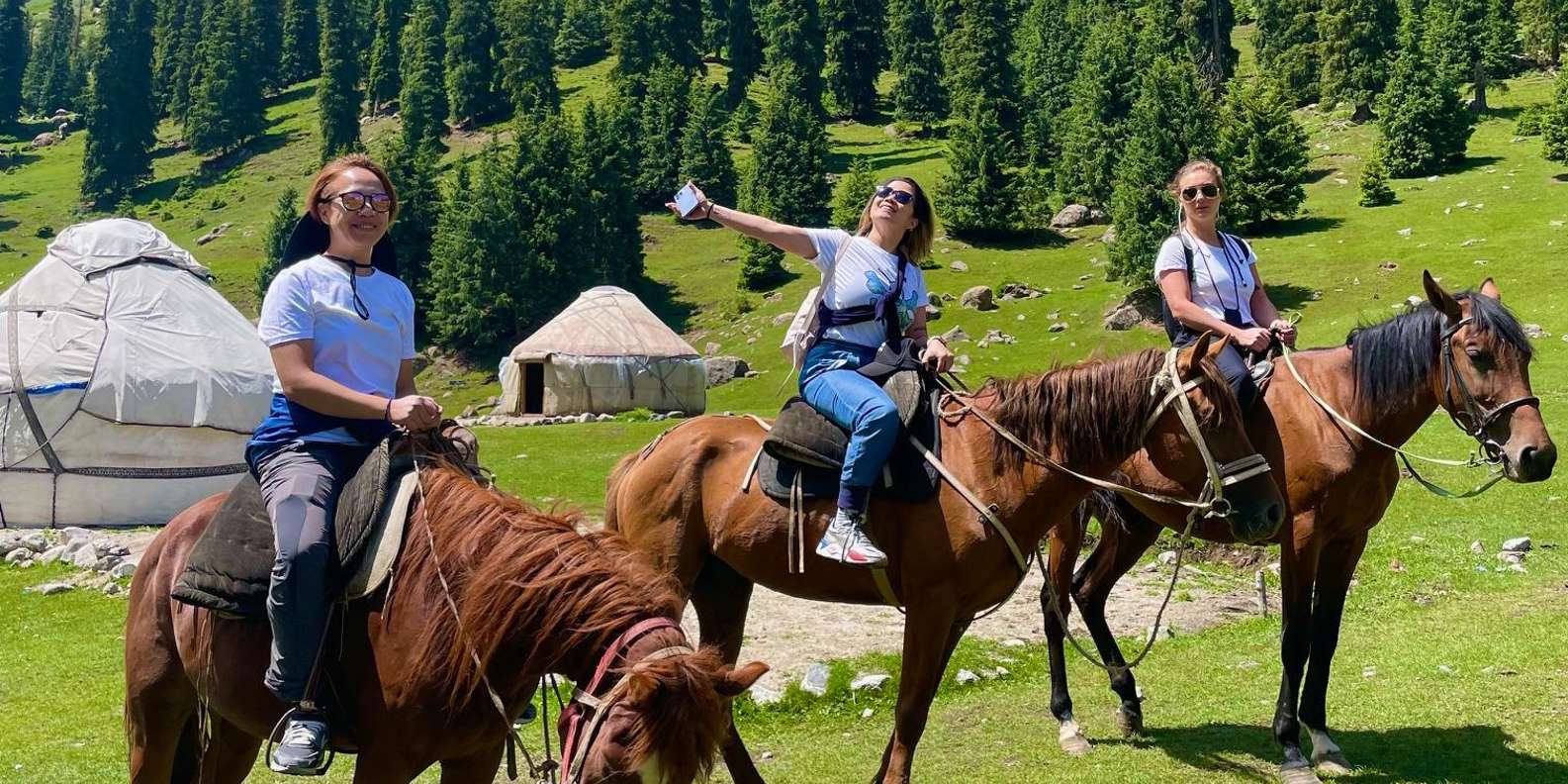
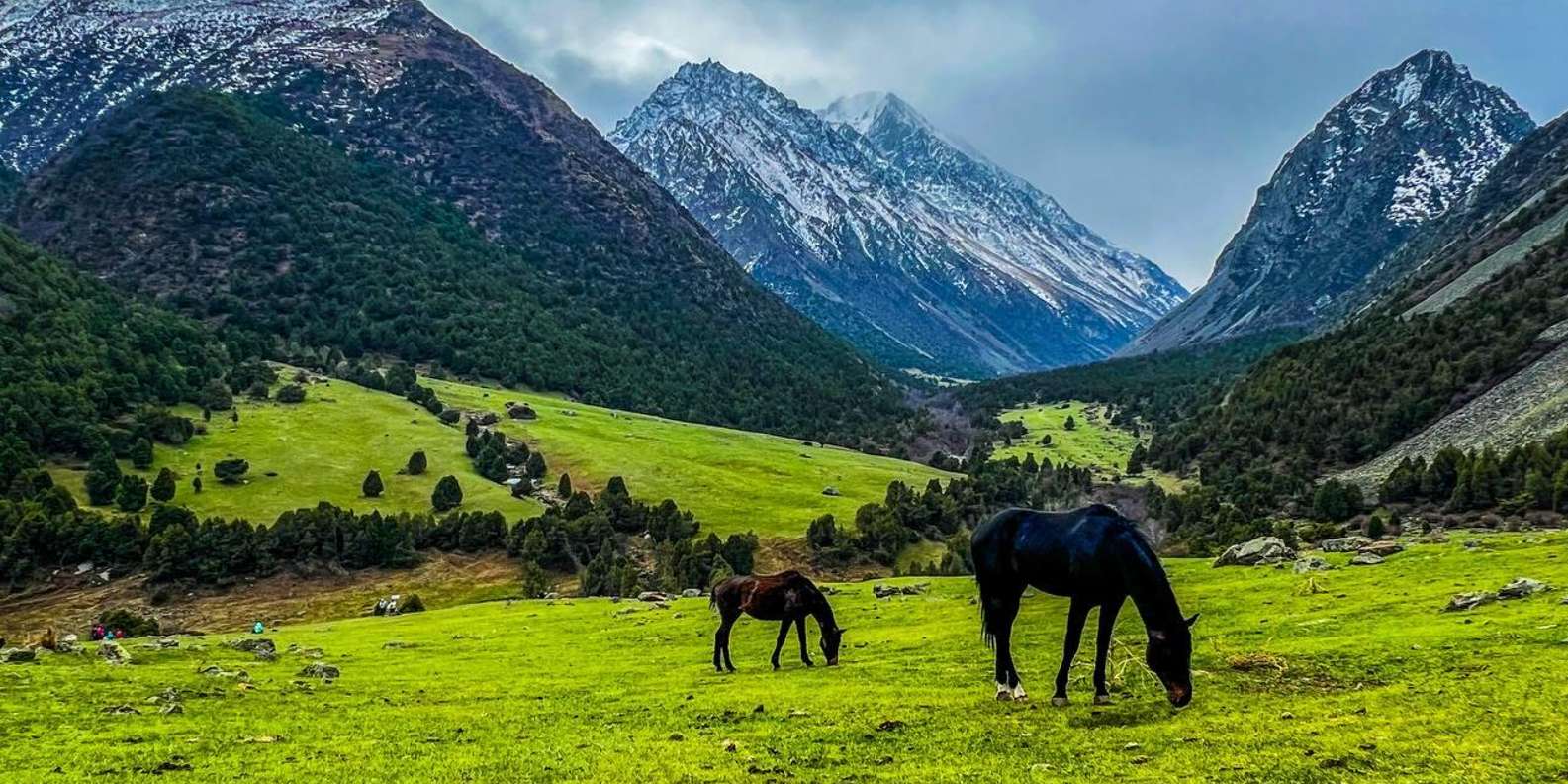
This is peak Kyrgyzstan. Snow clears from the high passes, alpine lakes thaw, and the jailoo (summer pastures) fill with grazing horses and felt yurts.
- June: Green and flower-filled, but the very highest passes may still hold snow early in the month. Song-Köl typically opens as the month goes on.
- July–August: The warmest, most reliable window. Every yurt camp and trek is running; Issyk-Köl is at its swimming best. Also the busiest, though "busy" here is still gentle.
- September: Our quiet favourite. Days are warm, nights cool, crowds thin and the light turns golden. Book the first half before autumn weather arrives.
Expect warm days and genuinely cold nights at altitude — packing for both is non-negotiable.
Issyk-Köl Season
Issyk-Köl, the vast alpine lake, has its own rhythm. Although it never freezes (its slight salinity and depth keep it liquid year-round, hence the name "warm lake"), swimming is really a July and August pursuit. The northern shore around Cholpon-Ata is the resort side and gets lively with domestic holidaymakers in high summer; the quieter southern shore is better for scenery and access to Jeti-Ögüz and the Karakol valleys.
Shoulder Seasons (May and October)
The shoulder months are a trade-off between quiet and access.
- May: Lower valleys, foothills and cities are lovely, and the fruit blossom is a treat. But high passes and Song-Köl are usually still closed or snowbound, and many yurt camps haven't opened.
- October: Autumn colour in the Karakol and Jeti-Ögüz valleys is beautiful, but the high country is winding down. Yurt stays close, and the first snows can arrive on the passes.
Shoulder season suits travellers focused on lower-altitude sights, culture and towns rather than high trekking.
Winter (December–March): Skiing
Don't write off winter. Kyrgyzstan is a rising, affordable ski destination.
- Karakol has the country's best-known resort and a growing base for ski-touring and freeride, with reliable snow and dramatic terrain.
- Smaller ski bases near Bishkek are great for day trips and beginners.
- It's cold, days are short, and mountain roads demand care, but prices are low and the slopes uncrowded.
Winter is not the time for yurt life or high trekking — many rural roads and camps are shut — but for snow, it's superb.
What's Open When
A quick reference for the things travellers ask about most:
- High passes (e.g. around Song-Köl, Ala-Kul): Roughly mid/late June to September.
- Song-Köl yurt camps: Typically June to September; edges vary by year and snow.
- CBT homestays and lowland guesthouses: Year-round in towns, seasonal at altitude.
- Issyk-Köl swimming: July–August.
- Karakol skiing: Roughly December to March.
- Trekking (high routes): July–September is safest; June and October are weather-dependent.
High Passes: A Word of Caution
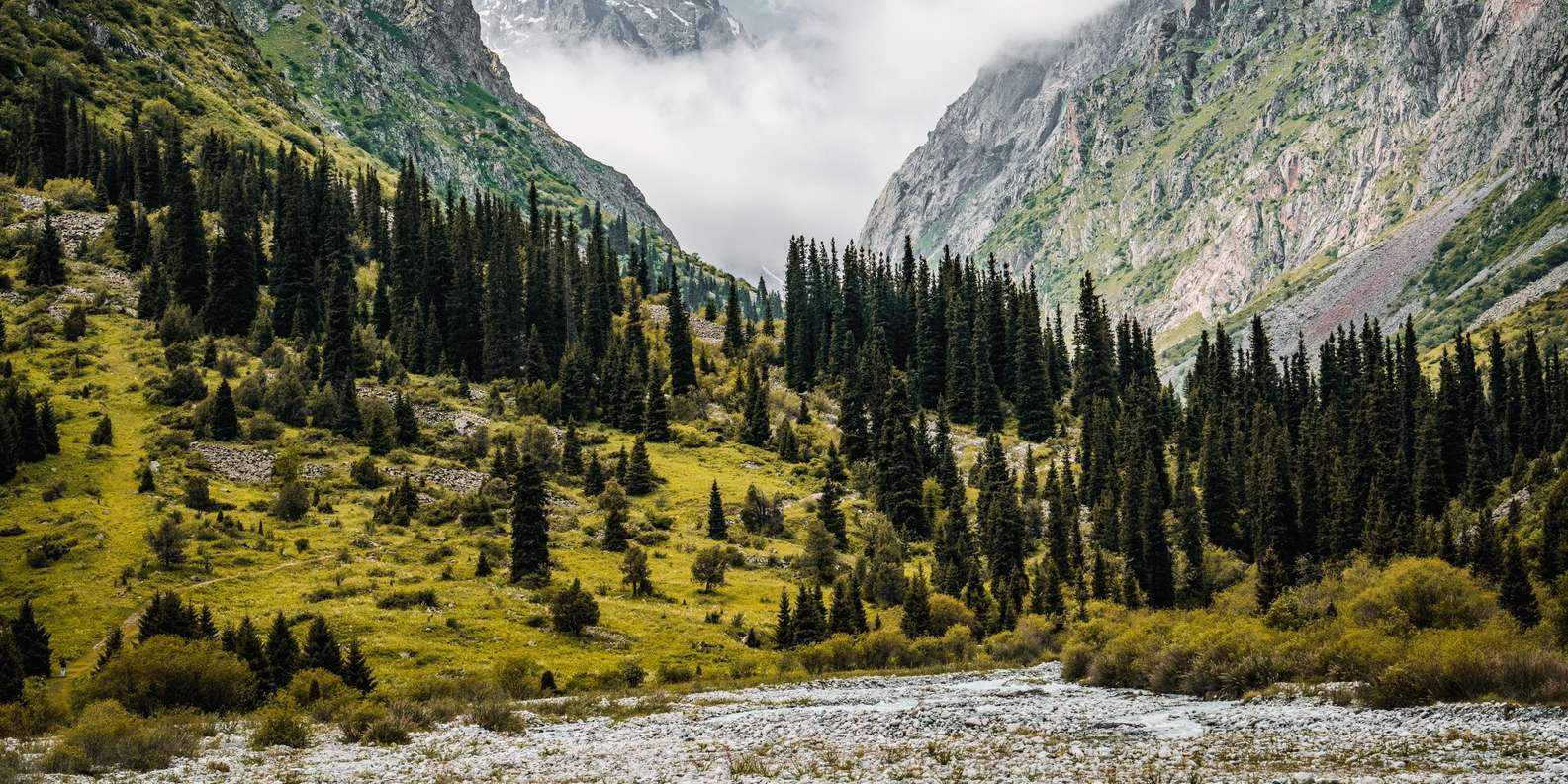
Many of Kyrgyzstan's signature experiences hinge on high passes that are only reliably clear in mid-summer. Snow can linger into June and return in September, and weather turns fast at altitude regardless of the calendar. If your trip depends on a specific pass — the Ala-Kul trek near Karakol is a classic example — build in buffer days and check conditions locally before committing.
Our Recommendation
- First-timers wanting the full experience: July to early September.
- Photographers and crowd-avoiders: the first half of September.
- Skiers: January and February around Karakol.
- Culture and cities on a budget: May or October, keeping plans low-altitude.
Whatever month you choose, treat Kyrgyzstan's weather as the boss. Pack layers, keep your schedule loose, and let the mountains decide the details.

Chat with a real person — free
Seif and the team reply on WhatsApp 24/7 — trip questions, custom plans and booking help.
Ask Seif on WhatsAppCommon questions
What is the best month to visit Kyrgyzstan?
July and August offer the most reliable weather, open passes and full yurt camps. Early September is a great quieter alternative with golden light and fewer visitors.
When is Song-Köl accessible?
Song-Köl's yurt camps and access roads are generally open from around June to September, depending on snow. Avoid the shoulder months when passes may still be closed.
Can you swim in Issyk-Köl?
Yes, mainly in July and August when the water is warm enough. The lake never fully freezes, but swimming outside high summer is chilly.
Is it worth visiting Kyrgyzstan in winter?
If you ski, absolutely. Karakol offers affordable, uncrowded slopes and good ski-touring from roughly December to March, though yurt stays and high trekking are closed.
When are the high trekking passes open?
Most high passes, including the Ala-Kul route, are reliably clear only from July to September. Snow can linger into June and return by late September.
Book it on This is Kyrgyzstan
Turn this guide into a trip

Kyrgyzstan's bestsellers
The experiences travelers book most, across the country



Keep reading

Kyrgyzstan Travel Guide: Everything You Need to Know
Everything independent travellers need for Kyrgyzstan: when to go, visas, getting around, budgets, nomadic culture, and why the Tian Shan mountains steal the show.
By TiE Editors9 min read

The Perfect 10-Day Kyrgyzstan Itinerary
A practical day-by-day 10-day Kyrgyzstan route: Bishkek, Ala-Archa, Burana, Issyk-Köl, Karakol, Jeti-Ögüz and a Song-Köl yurt stay under the stars.
By TiE Editors9 min read

Bishkek City Guide: Things to Do in Kyrgyzstan's Capital
Leafy boulevards, Soviet squares, sprawling bazaars and a lively café scene — our practical guide to Bishkek, plus the best day trips into the mountains that ring the city.
By TiE Editors8 min read
